
Clinical Microscopes

Microscopes are found in nearly every clinical laboratory, and they play a major role in medical research and disease diagnosis. Hospitals, blood banks, and laboratories use microscopes for crucial work such as evaluating samples of human and animal tissues for abnormalities.

Common applications include pathology, cytology, hematology, microbiology, parasitology, assisted reproductive technologies (ART) and LIVE remote telepathology. Microscopes are also critical for educating the next generation of doctors and clinicians.

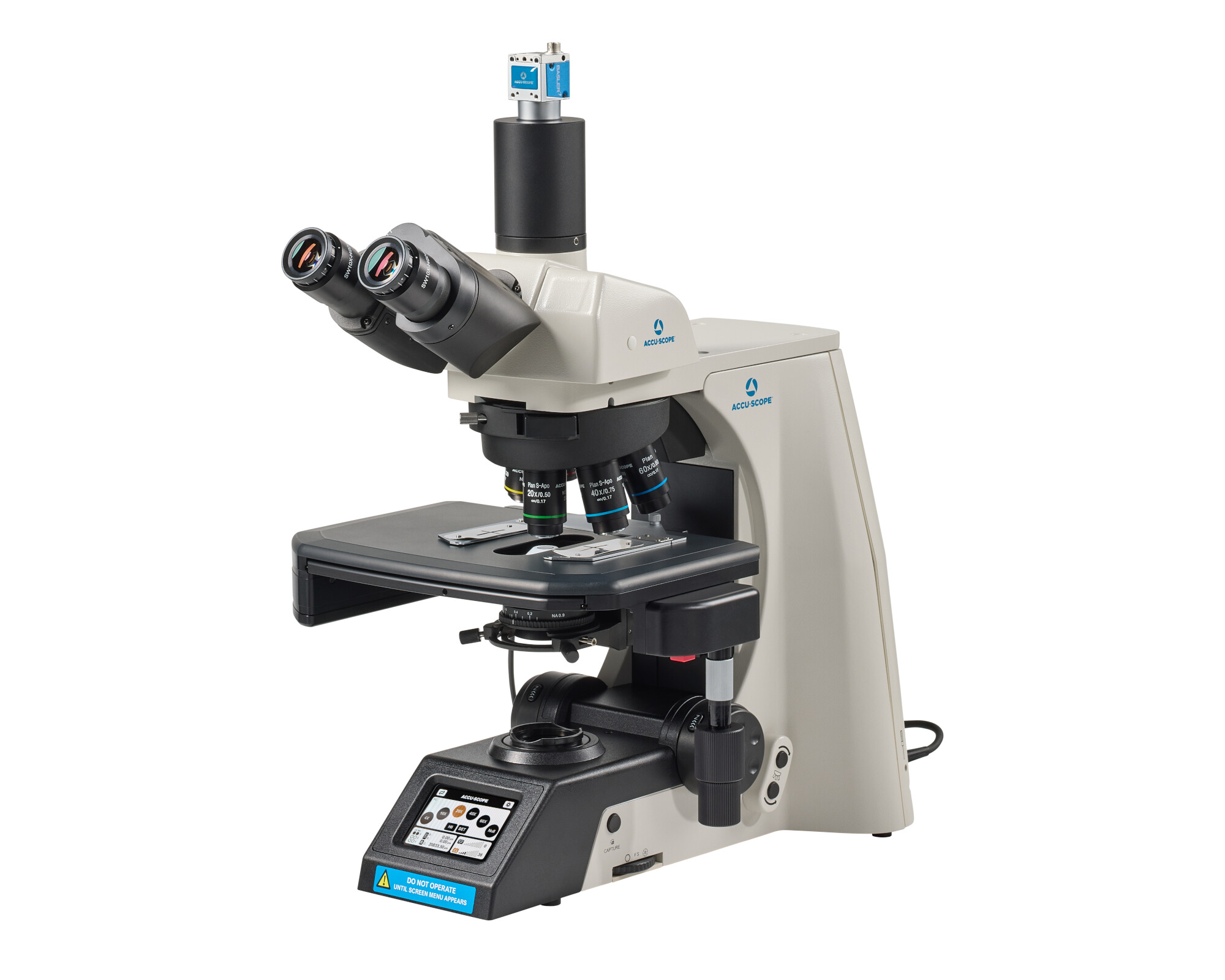
ACCU-SCOPE features a variety of upright microscopes that are ideal for clinical and veterinary applications. Our new RC500 Remote Collaboration System was specifically developed to address the needs of hospitals and clinical laboratories for live, real-time telepathology applications.

RC500

The ACCU-SCOPE RC500 remote collaboration system enables seamless automation and telepathology utilization, whether the user is sitting at the...
Learn More

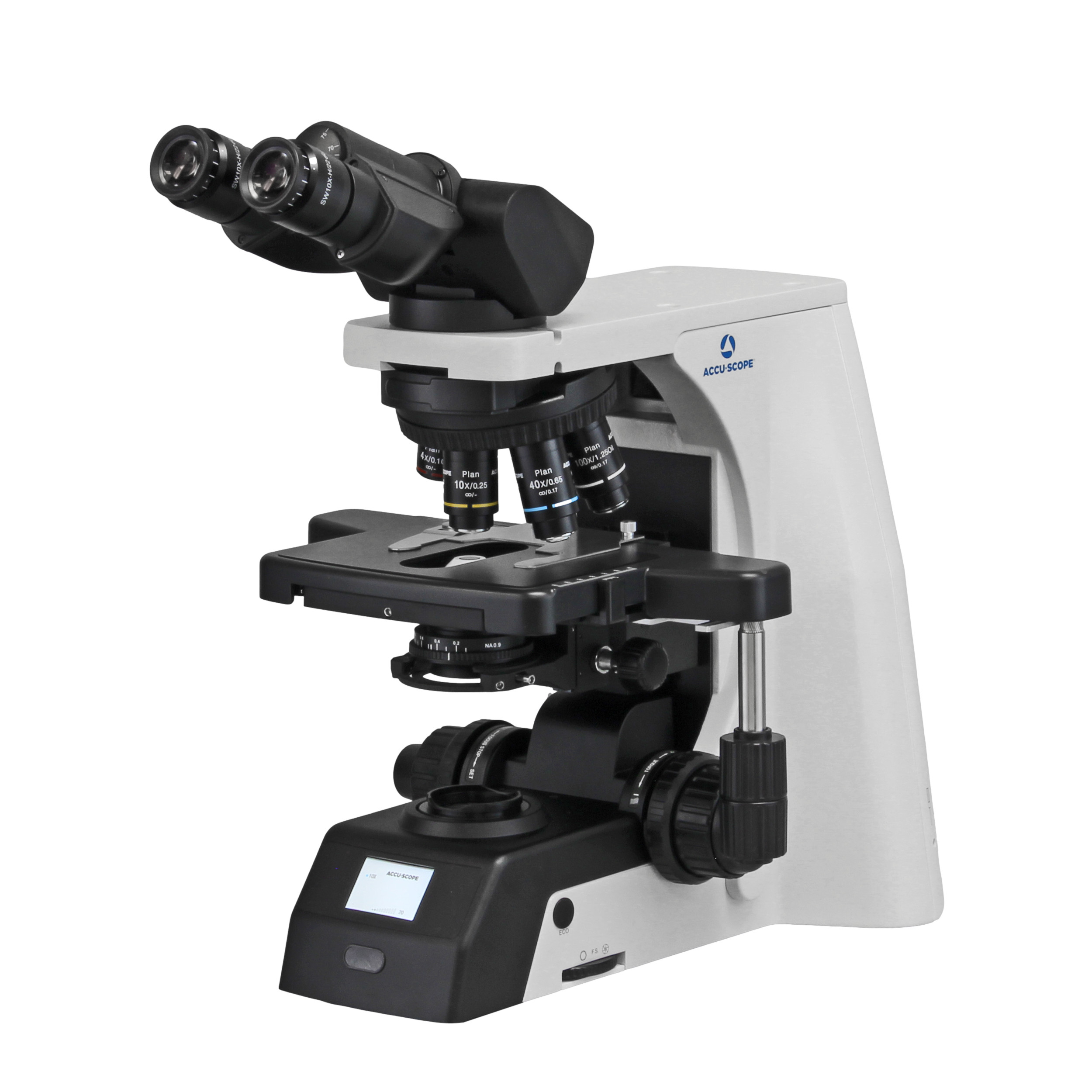
EXC-500

ACCU-SCOPE’s flagship EXC-500 Microscope offers best-in-class performance and value for clinical laboratory and research applications. The NIS...
Learn More

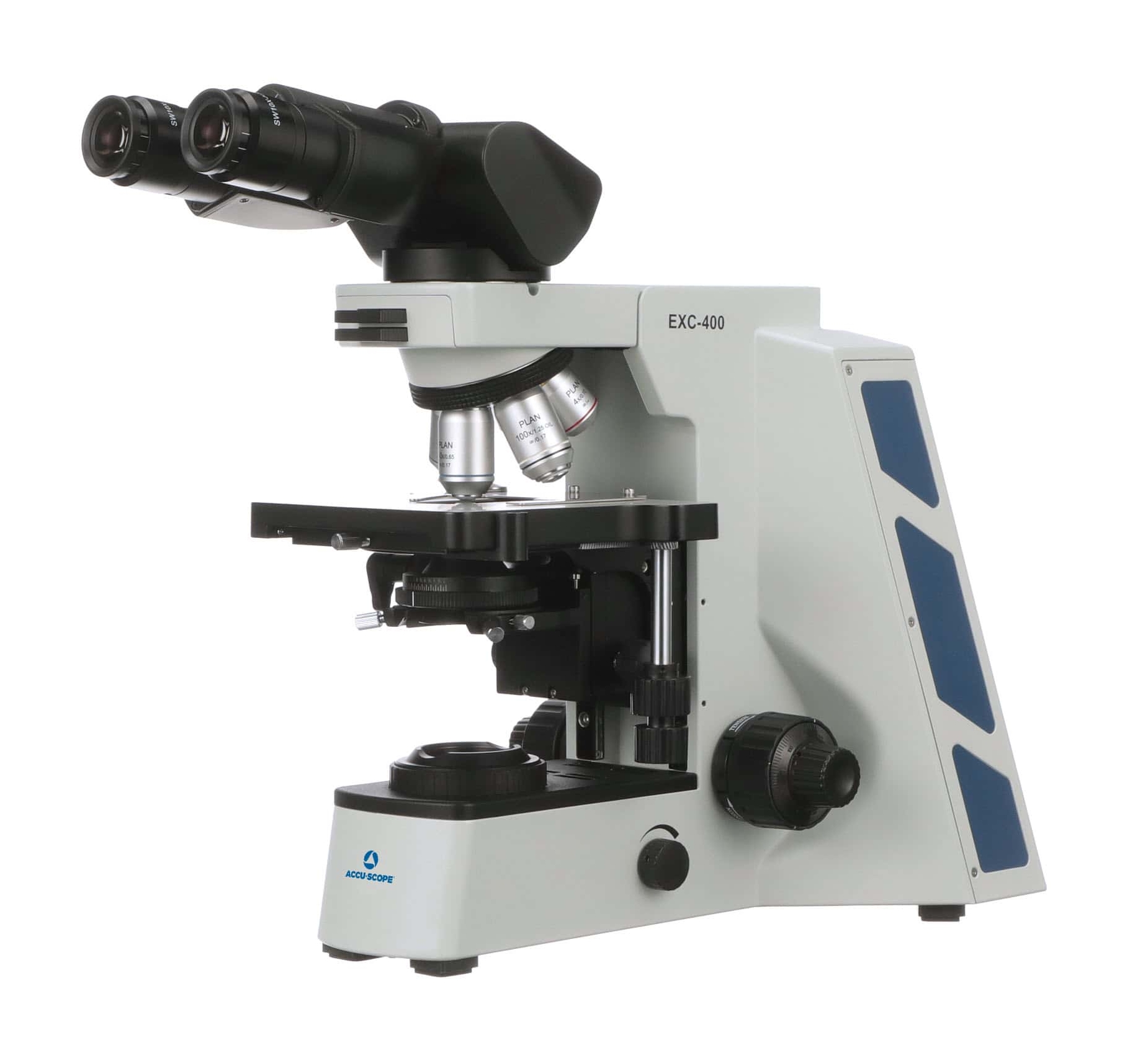
EXC-400

The EXC-400 from ACCU-SCOPE is designed for a broad range of microscopy applications in clinical, academic, and research environments. The EXC-400 is...
Learn More

Clinical microscopes are essential diagnostic tools used in hospitals, medical laboratories, research facilities, and educational institutions to examine specimens that cannot be seen with the naked eye. From analyzing blood smears and urine samples to evaluating microorganisms and cultured cells, these instruments provide the detailed visualization needed for accurate diagnoses and scientific investigation.

Modern clinical microscopes combine high-quality optics with advanced illumination systems, ergonomic designs, and digital imaging capabilities. Many systems also integrate with digital microscope cameras and laboratory software, allowing users to capture, analyze, share, and archive images while supporting collaboration across healthcare networks. Whether performing routine laboratory testing or advanced clinical research, selecting the appropriate microscope ensures consistent performance, reliable results, and high contrast images that improve specimen evaluation.

Clinical Microscope Categories

Clinical laboratories rely on several microscope configurations, each designed for specific applications. The right instrument depends on the specimen, testing workflow, and diagnostic objectives. Common categories include upright microscopes, inverted microscopes, phase contrast systems, digital microscope platforms, life science research microscopes, and stereo microscopes.

Upright Microscopes for Routine Laboratory Use

Upright microscopes are the most common type of clinical microscope found in diagnostic laboratories. Most upright systems utilize brightfield illumination, which uses transmitted white light to examine stained specimens. This technique produces excellent detail for many diagnostic applications.

Read more

Inverted Microscopes for Cell Culture and Clinical Research

Inverted microscopes position the objective lenses beneath the specimen stage. This design allows users to observe cells growing in culture dishes, flasks, or multi-well plates without disturbing the sample. As cells remain undisturbed during observation, inverted microscopes are ideal for monitoring cell growth, morphology, viability, and contamination over time.
Read more

Phase Contrast Microscopes for Live Specimens

Phase contrast microscopy allows users to examine transparent, unstained specimens that would otherwise be difficult to visualize using conventional brightfield illumination. Rather than requiring dyes or stains, phase contrast converts small differences in light passing through cellular structures into visible contrast, producing highly detailed images of living specimens. Many laboratories choose phase contrast objectives to produce high contrast images, while preserving specimen integrity throughout extended observation periods.
Read more

Digital Microscope Systems for Documentation

Digital imaging has become an important part of today’s clinical laboratory workflow. Digital microscope systems combine traditional optical microscopes with integrated cameras, imaging software, and network connectivity. Digital microscopy also supports telepathology, allowing specialists in different locations to review the same specimen without shipping physical slides. Some advanced systems integrate with digital slide scanners capable of digitizing entire specimens using multiple contrast modes. Digital imaging improves collaboration, supports quality assurance programs, and enhances long-term record keeping.
Read more

Microscopes for Life Science Research and Teaching

Although research and teaching laboratories often use similar equipment, their priorities differ. Research laboratories typically require advanced optical performance, modular configurations, and specialized imaging techniques to investigate complex biological processes. These facilities may combine brightfield, phase contrast, fluorescence, darkfield, or polarizing microscopy within a single platform. Teaching laboratories prioritize durability, ease of use, and consistent performance across multiple student workstations. They generally focus on reliable brightfield microscopes with straightforward operation that allow students to develop microscopy skills while learning specimen preparation and analysis techniques.
Read more

Stereo Microscopes for Dissection

Stereo microscopes provide lower magnification than compound clinical microscopes but offer a threedimensional view of larger specimens. Unlike compound microscopes, stereo microscopes provide greater working distance, allowing users to manipulate specimens beneath the objective lenses. They are preferred whenever technicians need to perform hands-on work while maintaining magnified visualization. For examining individual cells or microorganisms, however, compound clinical microscopes remain the better choice.
Read more
Feature image

ACCU-SCOPE Models and Series

ACCU-SCOPE offers a comprehensive lineup of clinical microscope systems designed for diagnostic laboratories, educational institutions, and research environments.

ACCU-SCOPE clinical microscopes are engineered for dependable daily laboratory performance while offering excellent optical quality and ergonomic operation. Several models include rechargeable LED illumination, providing consistent lighting while reducing maintenance associated with traditional halogen bulbs. LED systems also produce less heat and offer longer operating life.

Many models are available with trinocular viewing heads, allowing users to easily attach digital microscope cameras for documentation, consultation, image analysis, and educational presentations. With multiple optical configurations and accessory options available, laboratories can select an ACCU-SCOPE system that matches both current diagnostic needs and future imaging requirements.

Frequently Asked Questions

What is a clinical microscope?

A clinical microscope is a precision optical instrument used in medical and laboratory settings to examine biological specimens such as blood, tissue, urine, microorganisms, and cultured cells. These microscopes provide direct visual evidence that supports accurate diagnosis, disease identification, and ongoing clinical research.

Clinical microscopes are used to analyze blood samples, tissue sections, body fluids, microorganisms, cultured cells, and other biological specimens. They support diagnostics in pathology, hematology, microbiology, cytology, urinalysis, and biomedical research while helping clinicians make informed treatment decisions.

Clinical microscopes provide detailed visualization of cellular structures that cannot be seen with the naked eye. They improve diagnostic accuracy, produce high contrast images, support digital documentation, integrate with imaging software, and allow laboratories to capture, archive, and share findings efficiently. Modern systems also improve workflow through ergonomic designs and advanced illumination technologies.

Yes. Many modern clinical microscopes, particularly trinocular models, are designed to support digital microscope cameras. Compatible cameras allow laboratories to capture images, record videos, perform measurements, create reports, and integrate microscopy into digital documentation systems. Camera compatibility depends on the microscope’s optical configuration and available mounting adapters.

Clinical microscopes are widely used across healthcare, hospital laboratories, pathology practices, diagnostic testing facilities, pharmaceutical companies, biotechnology firms, academic research institutions, universities, veterinary laboratories, public health organizations, environmental laboratories, and medical device manufacturers. These industries rely on microscopy to support diagnostics, quality assurance, research, education, and product development.